







Search Results for: Single-origin milk

Why Is Single-Origin Fresh Milk Taking Over Specialty Coffee Shops? A Guide to Choosing Milk for Latte Art
In recent years, specialty coffee shops have become increasingly particular about their choice of milk, and single-origin, traceable fresh milk is becoming a new favorite. Compared with ordinary blended-origin milk, this type of milk source not only allows the farm information to be traced, but also has a brighter and richer taste. From Australia to China, more and more coffee shops are beginning to try smallholder milk, goat milk, and even camel milk, bringing unique flavors to milk coffee. After milk is heated, the lactose is activated, the milk fat adds a rich and mellow feel, and the milk foam gains abundant layers, which is why espresso milk drinks such as lattes, cappuccinos, and flat whites each have their own characteristics. This article will guide you through why single-origin milk is so popular, what milk to choose for coffee latte art, and include a review of Front Street Coffee's milk testing. [more…]

SOE vs. Dirty Coffee Explained: A Comprehensive Guide to Single-Origin vs. Blend Differences and the Best Beans for Dirty Coffee
SOE and Dirty remain popular in the coffee world, but their meanings, characteristics, and why they are called a perfect match still leave many enthusiasts curious. This article will start with the concepts, explaining the essence of SOE (Single Origin Espresso) and Dirty (a layered espresso milk coffee), comparing the differences in flavor presentation between single-origin and blended coffee beans, and explaining why Dirty is more tolerant of coffee bean selection. The article also specifically recommends three Front Street single-origin beans—Yirgacheffe Gotingding, Fenhuaijie Manor Xizhua, and PWN Golden Mandheling—and includes specific extraction parameters and tasting experiences to help you make a cup of well-layered SOE Dirty at home. [more…]
Can you add milk and sugar to pour-over coffee? The flavor logic of single-origin black coffee and Front Street pairing recommendations
Can you add milk and sugar to pour-over coffee? This question seems simple, but behind it lies coffee drinking habits, the flavor logic of single-origin beans, and the professional effort of baristas. This article starts from the freedom of personal taste, discusses the historical convention of adding sugar and milk to drip coffee, and then compares the bean differences between pour-over and Americano, explaining why adding milk and sugar to pour-over coffee makes the origin flavors disappear completely. If you really like black coffee with milk, the article also offers several rich-flavored single origins suitable for pairing with fresh milk, including Front Street Coffee Strawberry Candy, Front Street Coffee Queen's Estate, and Front Street Coffee PWN Golden Mandheling, helping you find a balance between texture and flavor. [more…]
A Comprehensive Analysis of Single-Origin Coffee, Espresso, and Americano: A Complete Guide from Origin Flavors to Classic Specialty Coffee
The world of coffee is far richer than one might imagine. When classified by brewing method, the three common categories are espresso, French press, and American-style, while café menus typically present only two main directions: single-origin and specialty coffee. Single-origin coffee emphasizes the terroir of its place of origin, served without milk or sugar, with Blue Mountain, Brazil, Colombia, and Mandheling each possessing a distinct character; specialty coffee, on the other hand, relies on milk foam, milk, and decorative flavorings, with latte, cappuccino, and Irish coffee each having their own following. This article systematically sorts out the origin characteristics and flavor differences of single-origin coffee, explains in detail the balanced expression of acidity, bitterness, and body in common single-origin beans, and introduces the recipes and taste characteristics of several classic specialty coffees, helping coffee enthusiasts build a clear understanding of coffee classification and find the cup that suits their own taste. [more…]
Analyzing the Flavor Differences Between Pour-Over and Americano: Is It Appropriate to Add Milk and Sugar to Black Coffee? Front Street Single-Origin Bean Recommendations
Many friends who are just getting into coffee ask: black coffee is so bitter—can I add milk and sugar? Actually, there is no standard answer to how you drink your coffee; the key is understanding the nature of different coffees. Pour-over coffee and Americano differ noticeably in bean selection and flavor expression—Americanos mostly use blended beans, while pour-overs tend toward single-origin beans, and the latter often carry bright fruity acidity, floral notes, and tropical fruit tones. Precisely for this reason, adding sugar and milk to a carefully brewed pour-over may mask its most precious origin flavors. This article starts from a practical tasting perspective, sorts out these differences, and recommends several suitable single-origin beans from Front Street Coffee for friends who like to add milk to their black coffee. [more…]
Is It Feasible to Make Espresso from Single-Origin Beans for Pour-Over? Differences Between Light Roast and Blend Beans and Extraction Adjustment Approaches
Many coffee enthusiasts stock up on single-origin pour-over beans during Front Street Coffee's monthly limited-time events, yet their purpose is to make espresso. However, single-origin beans are mostly medium-light or light roasts, which differ significantly in roast level from the dark roasts commonly used for espresso. Directly applying dark roast parameters often results in espresso that is sharply acidic and thin. This article focuses on this topic, first explaining the essential differences in density and brittleness between dark and light roast beans, then providing grinding adjustment ideas and reference formulas for light roast single-origin beans, and finally, from the two directions of dose and milk ratio, explaining how to keep light roast espresso from being diluted and masked in milk-based coffee, along with practical tips for making milk coffee. [more…]
Why is SOE Latte so favored? Front Street explains single-origin espresso hot latte bean selection and preparation essentials
In the world of milk coffee, the latte has become one of the most popular drinks thanks to the marriage of espresso and milk. In recent years, SOE lattes have gradually gained popularity, winning over many coffee lovers with the distinct character of single-origin coffee beans. So what exactly makes an SOE latte special? What coffee beans should you choose to make a delicious hot SOE latte? And how should the ratio of coffee to milk be managed? Drawing on Front Street's production experience, this article sorts out the differences between blends and single-origin espresso, and uses the Costa Rica Mirazu Strawberry Candy Geisha blend as an example to fully demonstrate the extraction parameters and operating procedure for a hot SOE latte, helping you make a latte that boasts both floral-fruity aromas and milky sweetness. [more…]

Milk-Chocolate-Profile Espresso Blends and Single-Origin Coffee Bean Recommendations: Featuring Select Beans from Brazil, Colombia, and Yunnan
To enjoy coffee with a milk chocolate flavor, the selection approach is actually not complicated: first avoid light-roasted beans with sharp acidity, then rule out dark-roasted beans with an overly burnt-bitter taste, and prioritize Central and South American and Asian origins. If brewing with pour-over, French press, smart cup, or drip bags, medium-dark roasted single-origin beans are the first choice; if you prefer a moka pot or espresso, medium-dark roasted blends are more suitable. Below are four coffee beans with prominent milk chocolate flavors, affordable and each with distinctive characteristics, suitable as everyday staples. Among them, several Front Street Coffee products perform impressively, covering both blends and single-origin, meeting different brewing needs. [more…]
A Bean Selection Guide for Italian-Style Milk Coffee: How to Choose Between Single-Origin, Blends, and SOE, Plus Key Points for Making a Latte
As the most widely consumed coffee beverage, latte is not only the sales driver for cafés but also the go-to choice for many enthusiasts starting out with espresso. However, when faced with the dazzling array of coffee bean products on the market, should you use single-origin, blend, or SOE to make espresso-based milk coffee? What kind of flavor performance do different roast levels and processing methods bring? This article will start from the definition of latte, sort out the logic for choosing espresso beans versus pour-over beans, analyze the flavor differences between dark-roast blends and light-roast SOE, and, combined with Front Street Coffee's specific bean list cases, provide production suggestions for medium-roast or flavor-oriented single-origin beans, helping readers find the latte bean solution that best suits their own taste. [more…]
Coffee Bean Recommendations for Moka Pot with Milk: How to Choose Between Imported Single-Origin and Espresso Blends
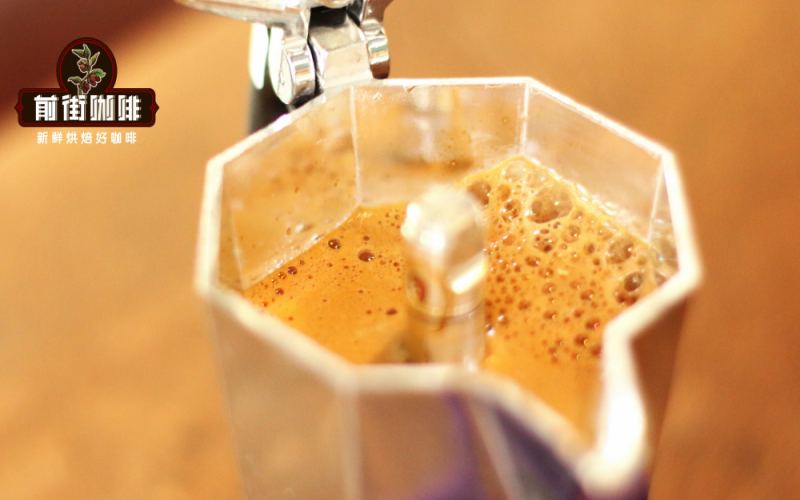
The Moka pot uses pressure extraction to produce a highly concentrated black coffee, so many enthusiasts habitually add milk when drinking it to make a simple version of a latte. So how the coffee from a Moka pot tastes after adding milk depends on the choice of coffee beans. Based on different taste preferences, this article outlines three approaches to choosing beans: those who prefer a rich, non-acidic taste can choose a medium-dark or dark roast espresso blend; those who like prominent flavor with lower bitterness are suited to a medium roast blend; and for those seeking distinctive aromas, a light roast single-origin SOE is also a good choice. The article also provides recommended mixing ratios of Moka pot coffee to milk, helping you easily make a smooth cup of Moka pot milk coffee at home. [more…]
Origin Selection for Single-Origin Beans in a Moka Pot: The Rich Performance of Mandheling and Brazil
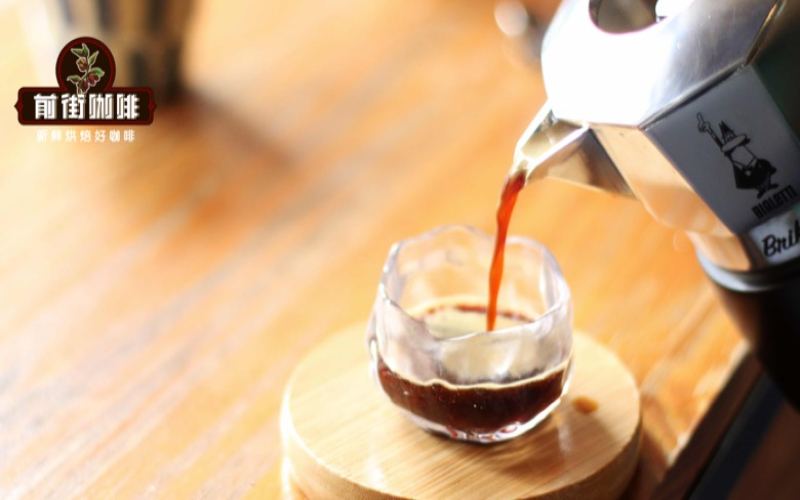
A moka pot doesn't have to be used only with blend beans—single-origin beans can also produce very distinctive results in a moka pot. With its steam-pressure extraction method, the flavors of a growing region are concentrated into a small cup of liquid, giving a mouthfeel that is thicker than pour-over but softer than espresso. Choose the right origin, and single-origin moka pot coffee can deliver unexpectedly good flavor. Indonesian Mandheling is for the moka pot. [more…]
The Difference Between Single-Origin Coffee and Blended Coffee: A Comprehensive Analysis of Types, Blending Methods, and Flavor Characteristics
For coffee enthusiasts, understanding the difference between single-origin coffee and blended coffee is an important step in exploring the world of coffee. Single-origin coffee centers on beans from a single origin, emphasizing the unique character of regional flavors; blended coffee, through the skillful blending of multiple beans, pursues balance and complexity in taste. This article systematically sorts out the definitions, representative types, blending ratios, and flavor characteristics of the two, from Blue Mountain and Colombia to Mandheling, from cappuccino to mocha, helping readers comprehensively master knowledge of coffee classification. At the same time, the article also specially recommends related products from Front Street Coffee, providing professional reference for your coffee purchases. [more…]
How Are Espresso Blends Different from Single-Origin Coffee Beans? A Complete Guide to the Basics for Beginners
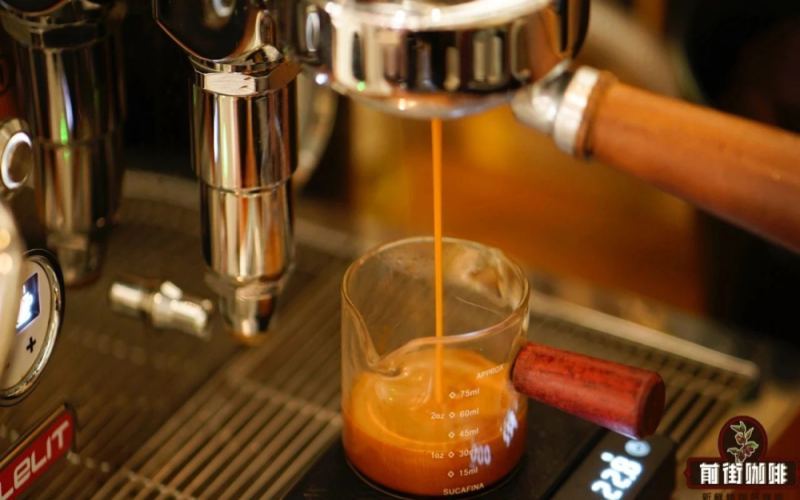
Friends who are new to coffee often can't tell the difference between single-origin beans and espresso blends. This article systematically sorts out the core differences between these two types of coffee beans, from definitions and naming methods to flavor characteristics and practical application scenarios. Single-origin coffee emphasizes the regional flavor of a single origin, and is usually drunk without sugar or milk; blended coffee, on the other hand, pursues a balanced and rich taste by mixing multiple kinds of beans, and serves as the base for fancy coffee drinks. The article also introduces in detail the recipe concepts, flavor performance, and suitable scenarios of Front Street Coffee's five espresso blends, helping coffee lovers make the right choice according to their own needs. [more…]
How to choose single-origin beans for SOE espresso? Are medium-light roasts like Geisha, Huakui, and Sidra suitable for Americano and latte?
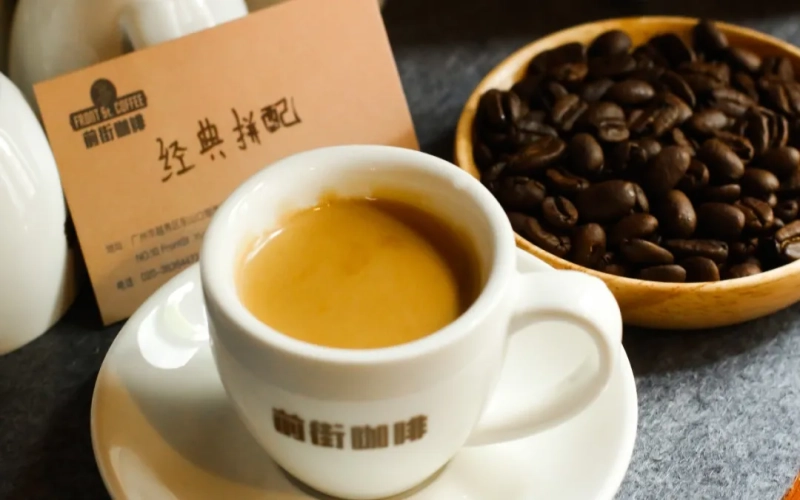
In recent years, making SOE espresso with single-origin coffee beans has become increasingly popular, but not all single-origin beans are suitable. Starting from the definition of SOE, this article explains that as long as it meets the "single-origin" condition, it can be called SOE, and further shares two requirements for coffee beans when making SOE: the roast should not be too dark, and the flavor needs to be sufficiently prominent. It then recommends suitable beans by style category, covering clean and fresh washed beans, fruit-rich natural and honey-processed beans, and anaerobic-processed beans with prominent flavors, with specific Front Street Coffee products as examples. The article also addresses the issue of low acidity and milk compatibility when making lattes with medium-light roasted beans, offering extraction adjustment suggestions to help coffee enthusiasts make delicious SOE Americanos and lattes at home. [more…]
Analysis of Flavor Differences Between Single-Origin Coffee and Espresso: Recommendations for Using Espresso Beans in Pour-Over
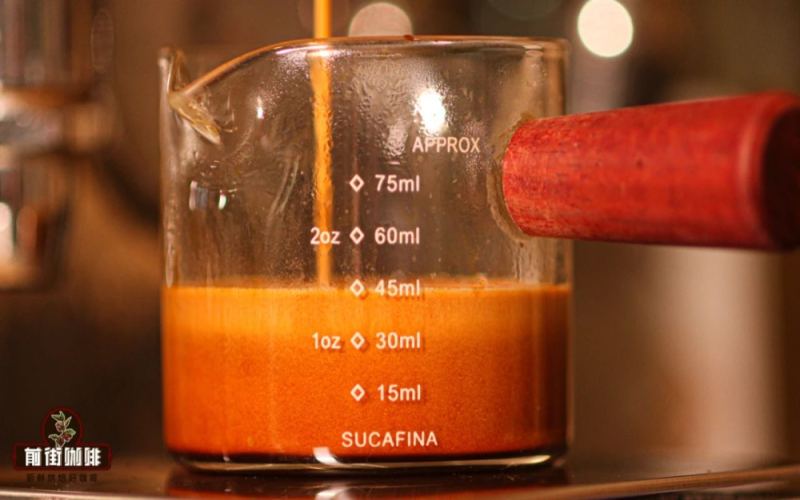
Many people's impression of espresso stops at bitter, harsh, and intense—something that must be diluted with sugar and milk before it can be drunk. In reality, though, this taste is closely tied to the roast level of espresso beans. If the beans are roasted too dark, much of the pectin and fruit acid is destroyed, costing the coffee its sweet aftertaste and even releasing undesirable off-flavors. A high-quality Espresso should be as clean and smooth as a single-origin coffee, carrying fruit acidity and creamy stone-fruit aromas, with layers that shift and deepen as the temperature changes. Starting from its flavor characteristics, this article compares the differences between single-origin and espresso beans, recommends several Front Street Coffee espresso blends suitable for home coffee machines and moka pots, and offers tips on making pour-over with espresso beans. [more…]
SOE Single Origin: Balancing Budget and Drinking Frequency
When it comes to SOE single-origin coffee, start by looking at how you plan to drink it every day. For everyday bean buying, you need to consider how quickly you'll go through them, how much to buy at a time, and whether you mainly make black coffee or milk coffee at home. If you mostly drink black coffee, you can pay more attention to aroma and aftertaste; if you often add milk, then you need to consider whether the intensity and body can hold up. This [more…]
Costa Rica Fuego Phoenix Estate Blue Sapphire SOE Espresso Preparation Log: Extraction and Milk Coffee Performance of a Light-Medium Roasted Single-Origin Espresso Bean
This article is the first in a series of SOE espresso experiments launched by Front Street Coffee, using Costa Rican Fuego Phoenix Estate Sapphire coffee beans to make espresso. These beans come from the Central Valley, at an altitude of 1600 meters, sun-dried, with varieties Caturra and Catuai. The article documents in detail the extraction parameters and flavor performance, and extends to pairing tests with milk coffee. Since the beans' roast level was originally more suited to pour-over, when used for SOE, the resting period needs to be extended and the extraction time lengthened to 35 seconds, in order to fully release the fermented aromas and avoid under-extraction. If you are interested in single-origin espresso, you may wish to refer to the parameters in this article to explore more possibilities with these beans. [more…]
Is SOE Single-Origin Espresso Really Worth the Extra Cost? A Full Breakdown of Its Differences from Espresso Blends and How to Adjust Extraction
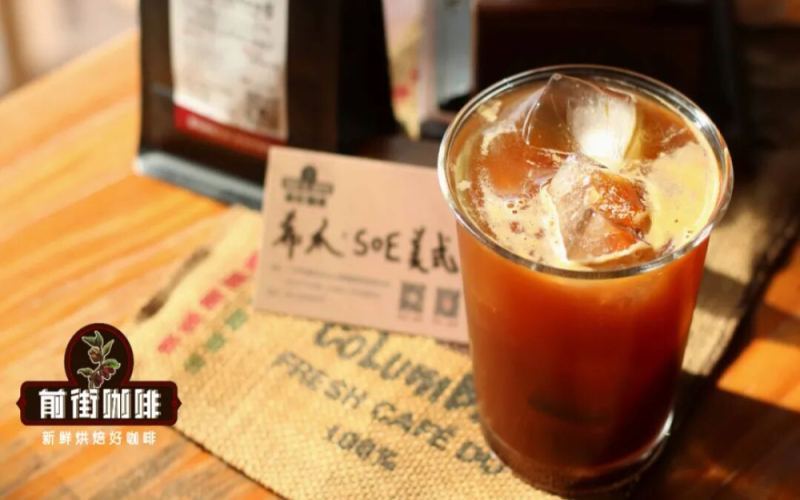
When ordering at a café, have you ever agonized over this: why does choosing SOE cost extra? How exactly is it different from the usual espresso blend? SOE (single origin espresso) refers to espresso extracted from coffee beans of a single origin, in contrast to blends that mix beans from multiple origins. From the rise of specialty coffee in the 1980s to James Hoffmann winning the 2007 World Barista Championship with single-origin beans, SOE has gradually moved from niche to mainstream. This article will start with the definition of SOE, its historical context, and the reasons behind its price, and then offer specific extraction parameter adjustment suggestions for single-origin beans of different roast levels and flavor types, including dose, yield, grind size, and milk ratio, to help you make a truly delicious SOE americano or milk coffee. [more…]
SOE Coffee Bean Selection and Roasting Guide: An Analysis of Single-Origin Coffee Differences and Key Production Points
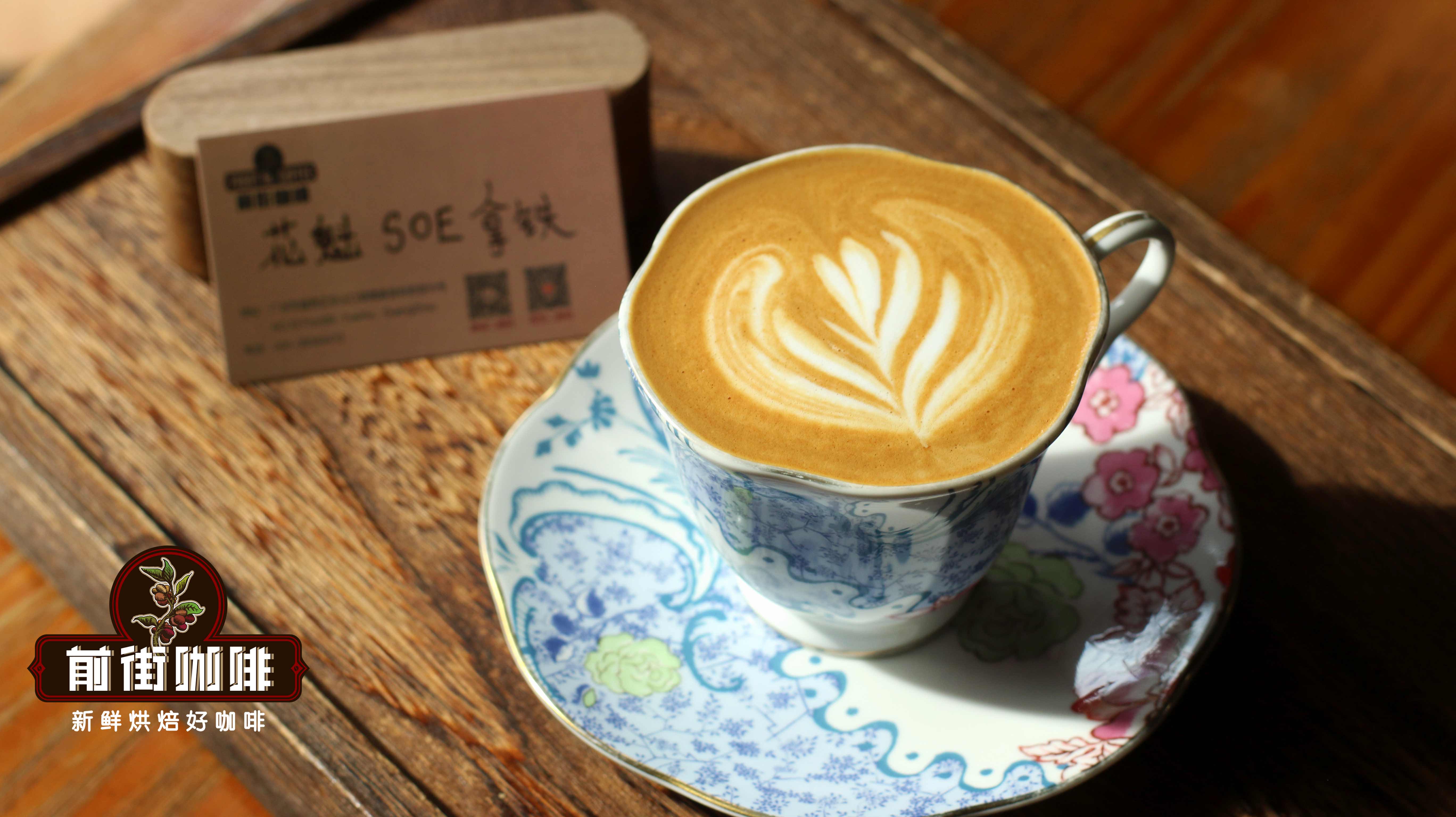
SOE (Single Origin Espresso) has attracted much attention in the specialty coffee circle in recent years. It uses coffee beans from a single origin, and after high-pressure extraction through an espresso machine, its flavor characteristics are significantly amplified, so it is clearly different in expression from pour-over single-origin coffee. Starting from the definition of SOE, this article will analyze its differences from single-origin coffee, the logic behind choosing the roast level, and explain which coffee beans are more suitable for making SOE. At the same time, the article will also share Front Street Coffee's approach to selecting such coffee, including specific recommendations such as Natural Huakui, Mozart, and Sidra, as well as practical points such as extraction parameter adjustments and milk ratio control, to help coffee lovers understand this category more comprehensively. [more…]
A Practical Guide to Making Espresso with Single-Origin Filter Beans: A Full Analysis of SOE Extraction Parameters and Flavor Performance
Can pour-over single-origin beans be used to make espresso? The answer is yes—this is what is known as SOE. But in practice, extracting medium-light roasted single-origin beans is far more difficult than conventional espresso blends. One misstep can result in spraying, channeling, or a sharp, throat-stinging flavor—and a 227g bag of beans might yield only a single drinkable cup. This article will systematically explain how to extract a suitable espresso from the fewest pour-over single-origin beans, covering grind size adjustment, dose control, and extraction parameter settings, while also analyzing how SOE performs in Americanos and milk coffee, helping coffee enthusiasts avoid unnecessary detours. [more…]